
In recent years, the UK art scene has witnessed a significant shift, with artificial intelligence (AI) emerging as a creative force in its own right. From AI-generated paintings to music and immersive art experiences, the blending of technology and art is reshaping the way we think about creativity. But this rise in AI creativity prompts an important question: Is AI a friend or a foe to the traditional art world?
AI as a Creative Collaborator
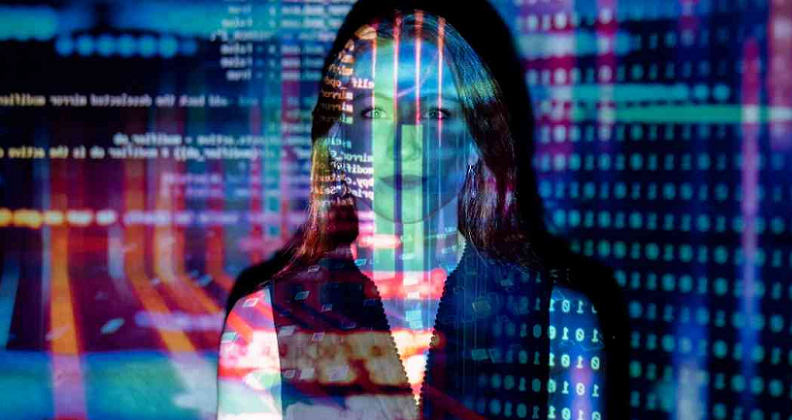
AI’s role in the art world is often framed as a tool to assist human artists, opening up new possibilities and pushing the boundaries of creativity. For many artists, AI is not a replacement but an extension of their creative process. British artists, like London-based Mario Klingemann,use algorithms to generate new forms of visual art, exploring themes like human identity, memory, and time.
British artist Anna Ridler, for example, has gained attention for her AI-driven pieces that blend data science with conceptual art. Ridler’s work explores the relationship between humans and machines, using AI as a tool to reinterpret themes like nature and memory. One of her notable works, is a project that explores the relationship between time, light, and human perception through the use of artificial intelligence. Building on her previous works that combine data, nature, and machine learning, Circadian Modern continues Ridler’s exploration of how technology intersects with natural processes.

Music: Composing with Algorithms
The music scene has also embraced AI, with algorithms now able to generate compositions that range from classical to electronic. In the UK, musicians are using AI not only to create new music but also to explore the philosophical boundaries of music itself. AI-generated music often blends pre-existing styles, raising questions about originality and the emotional depth of AI-created compositions.
For example, Squarepusher, a British electronic musician, has long incorporated generative algorithms into his work. His 2024 release, Code Fragments, features complex beats and rhythms generated using custom AI systems. These algorithmic processes help create unpredictable, evolving compositions that retain Squarepusher’s signature blend of frenetic electronic soundscapes.
The Debate: Friend or Foe?
The rapid integration of AI into the UK art scene has sparked intense debate. On one hand, advocates see AI as a powerful tool for expanding the horizons of human creativity. It allows artists to explore new techniques and forms, helping them realize visions that might otherwise be impossible.
However, critics argue that AI poses a threat to the art world as we know it. One major concern is the devaluation of human-made art. If AI can produce a stunning piece of digital art in a matter of minutes, what happens to the years of training, emotional investment, and labor that human artists pour into their work? Another concern is that AI may result in an inflow of generic, standardized work that lacks the distinctive cultural and personal touch that only human artists can provide.
In the end, AI’s role in the UK art scene is neither wholly a friend nor an outright foe. It is a complex relationship that demands a nuanced understanding of both the opportunities and the challenges it presents. For many, AI offers an exciting avenue for exploration, enhancing creative capabilities and opening up new artistic frontiers. For others, it signals a potential loss of what makes art intrinsically human: emotion, individuality, and soul.
Sources
Artificial Intelligence in Art: How Machines are Becoming Creative – Little Coffee Break
Artificial Intelligence: the new artistic revolution? | Art UK
AI art: The end of creativity or the start of a new movement?